Spotlight on the Young Female Researchers in HIPPOCRATES
International Day of Women & Girls in Science 2026
11 February is International Day of Women & Girls in Science. This year we want to use this occasion to highlight some of the young female researchers working in HIPPOCRATES.
Annika Bendes, Kungliga Tekniska Hoegskolan
What sparked your interest in science (and when did you first imagine pursuing a PhD)?
I have always been a very curious person and have been interested in understanding human biology. During my master’s studies, I took a course in proteomics, where I became fascinated by proteins and how their levels in the body can change in relation to disease. It was during this course that I first imagined pursuing a PhD in this field.
What do you wish you had known before starting your PhD?
I wish I had known that I didn’t need to worry about not being smart enough to pursue a PhD. I think it’s quite common, especially for young women to feel that way.
How would you explain your research to a 12-year-old girl curious about science?
Proteins are found in the body and perform many different tasks. By studying proteins in the blood, we try to understand what happens in the body when someone gets sick and whether certain proteins are linked to different diseases or health conditions.
What does gender equality in science mean to you personally? To me, gender equality in science means that grants, positions, and speaking opportunities are awarded regardless of gender. They should be based on merit and the quality of the research, not on a person’s sex.

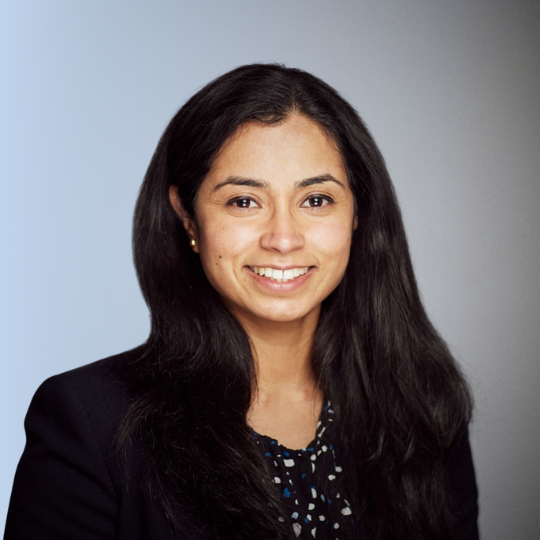
Arani Vivekanantham, University of Oxford
What sparked your interest in science (and when did you first imagine pursuing a PhD)?
My interest in science began during medical school, when taking part in a research project alongside my clinical training showed me how closely research and patient care are connected. That experience made me realise that my curiosity about disease could be translated into work with real clinical impact. I am motivated by the opportunity to improve patients’ lives not only through direct clinical care, but also by contributing to research that advances medical knowledge.
What do you wish you had known before starting your PhD?
I wish I’d known that uncertainty and setbacks are a normal part of a PhD, not a sign of failure. Asking for help early, seeking regular feedback, and treating the PhD as a marathon rather than a sprint makes the experience far more sustainable and rewarding.
How would you explain your research to a 12-year-old girl curious about science?
Psoriatic arthritis is an illness that can make people’s joints painful and damaged, and it often starts in people who already have a skin condition called psoriasis. I’m trying to find ways to spot which people with psoriasis are more likely to get psoriatic arthritis, so doctors can treat it earlier and stop joint damage. I also study how the medicines used to treat it affect the rest of the body, to help make treatment safer for patients.
Did you have any female role models or mentors who influenced your research journey so far?
Yes — Laura Coates has been a powerful role model for me. Watching her successfully combine clinical work, research, and family life made me feel that a career in research was both achievable and sustainable. Her example has given me confidence to pursue this path and reinforced how important it is to see women leading and thriving in science.
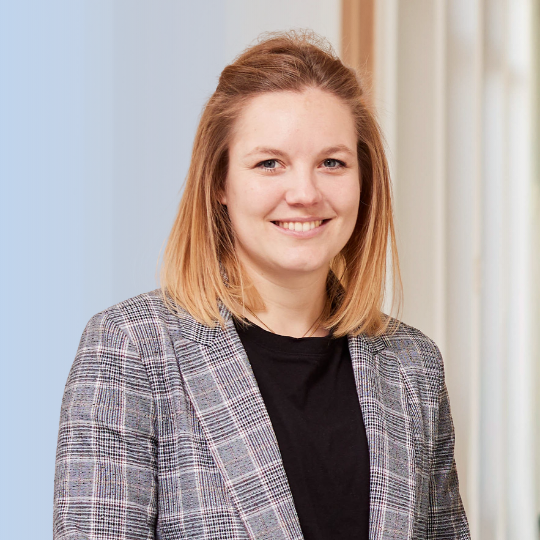
Sabine Kugler, Fraunhofer
What sparked your interest in science (and when did you first imagine pursuing a PhD)?
I’ve always been fascinated by technology and how it can solve real-world problems. During my studies in computer science, I became particularly interested in applying AI to healthcare, where combining data and algorithms has the potential to improve patient outcomes. The idea of pursuing a PhD came when I realized I wanted to tackle these challenges more deeply and contribute original research that could make a tangible difference.
What do you wish you had known before starting your PhD?
I wish I had known how much the quality and amount of data can shape a research project. In clinical studies, datasets are often smaller or messier than expected, which makes applying AI more challenging. I also learned early on that it’s not about immediately using the large, well-known AI models that everyone talks about, but rather about careful data preparation, understanding the data, and using smaller, interpretable models. This approach ensures that results are meaningful, reliable, and applicable in real-world clinical settings.
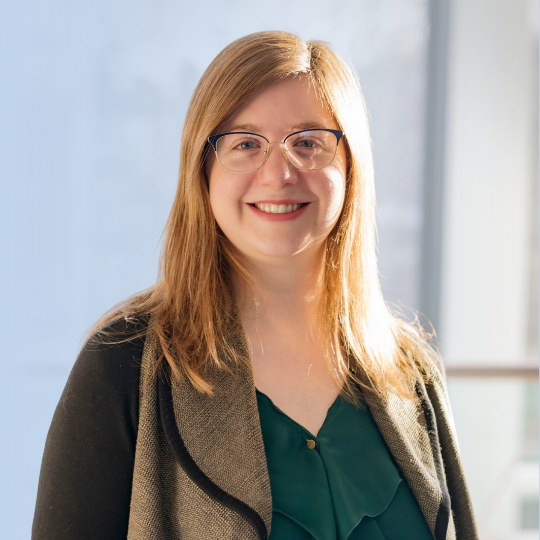
Teresa Grohmann, University College Dublin
What sparked your interest in science (and when did you first imagine pursuing a PhD)?
My interest for science ignited during high school, where I was driven by a desire to understand the mechanisms of human physiology and disease, which led me to study Medical and Pharmaceutical Biotechnology at the University of Applied Sciences IMC Krems in Austria.
After completing my MSc in 2013, I spent three years working in the biotech start-up sector (Tissue Med Biosciences and Sealife Pharma). While I valued that experience, I realized I wanted to lead my own research, so I decided to pursue a doctorate. I moved to Aberdeen, Scotland, to join the Rowett Institute, where my PhD research (2016–2021) focused on preventing Type 2 Diabetes in at-risk individuals using bilberry and grape seed extracts.
Since 2023, I have been part of the HIPPOCRATES consortium, where I am proud to contribute to vital research on psoriasis and psoriatic arthritis. My work includes involvement in the HPOS Study, which is recruiting 25,000 individuals with psoriasis across Europe, as well as data analysis to identify novel proteomic biomarkers that can identify progression of psoriatic arthritis.
Did you have any female role models or mentors who influenced your research journey so far?
I would like to highlight our HIPPOCRATES leader, Prof. Laura Coates from the University of Oxford. She does a remarkable job coordinating the HPOS Study across Europe, and she has had a strong professional impact on me. I see her as a role model for diplomacy, negotiation, and effective leadership.
What is the most exciting or unexpected result you’ve encountered so far?
During my PhD, I investigated the effects of grape seed and bilberry extracts on individuals at risk of developing Type 2 Diabetes. The most unexpected finding arose when we compared how these extracts were digested in the lab versus in the human body.
We found that the phenolic components were metabolized very differently in the laboratory models compared to the participant stool samples. Strikingly, it appeared that some individuals lacked the specific gut bacteria required to completely metabolize these components. This variability helps explain why some people may not see benefits from certain supplements ('non-responders'). It was a fascinating outcome, and I hope future research will identify the specific bacteria responsible for unlocking the benefits of fruit and vegetable extracts.
While the analyses are still ongoing and it’s therefore too early to highlight specific results from the HIPPOCRATES work, it is already exciting to see the substantial progress made in recent years and the strong, fruitful collaborations that have developed between institutions across different countries.
A great thank you for sharing your journeys, experiences, and views with us!